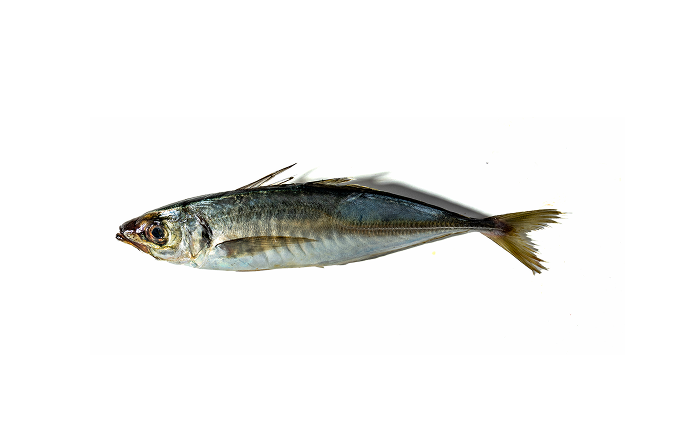
The Horse Mackerel, known locally as Sawrell, is a slender, silvery fish that typically reaches 20–30 cm in length. It includes two main species: the Atlantic Horse Mackerel (Trachurus trachurus) and the Mediterranean Horse Mackerel (Trachurus mediterraneus).
This schooling species is semi-pelagic, meaning it swims in both mid-water and near the seabed. It is found in coastal waters and on the continental shelf, often forming large groups to feed on small fish, plankton, and crustaceans.
Horse Mackerel is more common during the warmer months, with its spawning season and availability peaking from spring through summer, particularly between July and October. The fishing season for this species aligns with these periods, as fishermen use lampara nets and other gear to catch them when they are most abundant in coastal waters.
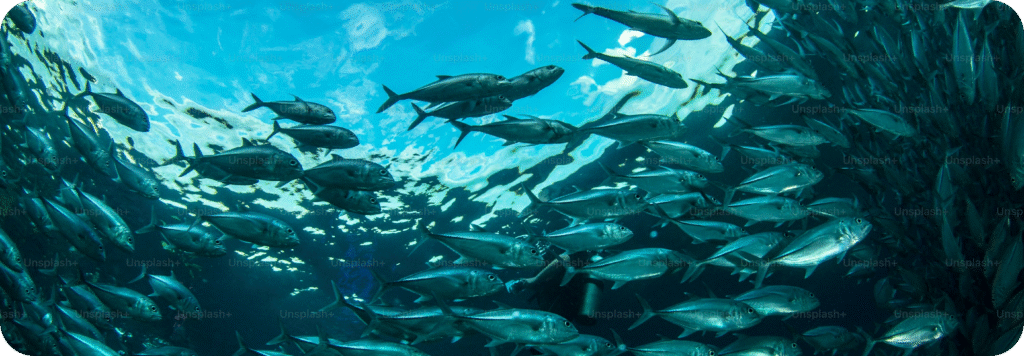
Horse Mackerel are caught using seine fishing, a method that involves surrounding a shoal of fish with a net. Locally, a traditional gear called lampara is used — a surrounding net with lights that attract fish at night before they are encircled. Another local method involves combined gillnet-trammel nets, known as Parit Xkitt. This gear uses multiple layers of netting to catch fish swimming both in mid-water and near the seabed.
Yes, Horse Mackerel is an oily, flavourful, and highly nutritious fish. It’s a great source of omega-3 fatty acids, Vitamin B12, and Vitamin D. Due to its oil content, it’s best consumed fresh to avoid a strong “fishy” taste.
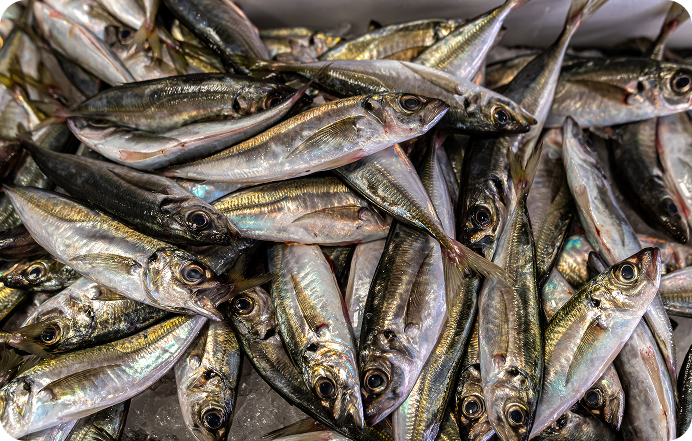
As an oily fish, Horse Mackerel can accumulate more fat, which may concentrate certain contaminants like mercury and PCBs. However, it is generally considered a safer choice than very large predatory fish. Moderate consumption a few times per week is a sensible approach and should follow local health guidance.
Horse Mackerel is a relatively resilient species, as it matures quickly and reproduces early. However, some stocks are under pressure from overfishing in parts of the Mediterranean. Scientific studies have shown a decline in certain life history traits of Trachurus trachurus in the region.
Locally, fishing with lampara nets is considered a more sustainable method, as these nets are less destructive to habitats and have a lower impact on bycatch when used responsibly.
Looking for a tasty, sustainable meal? Find your next favourite recipe with Horse Mackerel.

Known for its rich, meaty flavour, the Little Tunny is a powerful and delicious catch. Abundant in our waters, this species.
A small but mighty oily fish, the Horse Mackerel is a summer favourite bursting with flavour and omega-3s.
A true titan of our seas, the Greater Amberjack is a firm-fleshed, meaty fish that offers a fantastic culinary experience.
This often-overlooked fish is a versatile, meaty, and affordable alternative to larger tuna.
This often-overlooked fish is a versatile, meaty, and affordable alternative to larger tuna.

EXPLORE VARIETY, EAT SUSTAINABLE FISH©2026