
How EPA and DHA in fish are the missing elements to athletes’ success

Athletes often obsess over protein for muscle growth and carbohydrates for energy. Emerging research suggests that many are overlooking two critical omega-3 fatty acids: eicosapentaenoic acid (EPA) and docosahexaenoic acid (DHA). Insufficient levels of these fats may impact an athlete’s ability to maintain peak performance and long-term physical health. Since many individuals, including those in high-intensity training, may not meet recommended intakes, incorporating sustainable Mediterranean fish like horse mackerel and little tunny can be a practical dietary strategy. The consumption of EPA and DHA in fish is a proven way to support cardiovascular health and reduce exercise-induced inflammation. EPA and DHA in fish for Training Adaptation, Brain Function, and Recovery These fatty acids contribute to the physiological systems that athletes rely on most, specifically within three key areas: training adaptations, brain function, and recovery support. Research indicates that EPA and DHA support endurance in sports such as cycling and running. Furthermore, consistent intake may improve neuromuscular activation and support the body’s adaptation to resistance training. Moreover, these nutrients go beyond physical benefits. The high concentration of EPA and DHA in fish has been shown to enhance brain function and protect against cognitive decline. Studies on soccer players and amateur athletes show that consistent intake of EPA and DHA improves reaction time, efficiency, and mood while significantly reducing fatigue. In the context of recovery, these fatty acids are particularly beneficial. EPA and DHA in fish can help manage injuries and reduce muscle soreness. These nutrients help athletes maintain muscle mass during phases of immobilisation, such as when sidelined with a leg injury. Addressing the Omega-3 Index Gap Understanding nutrient levels is a key step in optimising health. The omega-3 index measures EPA and DHA levels in your red blood cells. While the optimal percentage for peak performance is 8% or higher, most professional and amateur athletes currently range between 4% and 6%. Relying solely on plant-based sources (ALA) to close this gap is often inefficient, as the human body has a limited capacity to convert ALA into the more active EPA and DHA forms. Therefore, one of the more direct ways to support these levels is through dietary adjustments. EPA and DHA in fish offer great potential in supporting brain health, muscle preservation, and training efficiency, making these sustainable Mediterranean fish an essential addition to an athlete’s diet. Putting EPA and DHA into Practice EPA and DHA are key nutrients that support athletic performance, recovery, and cognitive function, yet they are often under-consumed. Including sustainable Mediterranean fish such as the horse mackerel and the little tunny in your diet, is a simple and effective way to help close this gap. Discover our fish recipes to start incorporating these performance-supporting nutrients into your training routine. View Recipes
Why are these 5 sustainable Mediterranean Fish considered as the best sources of lean protein for weight loss?
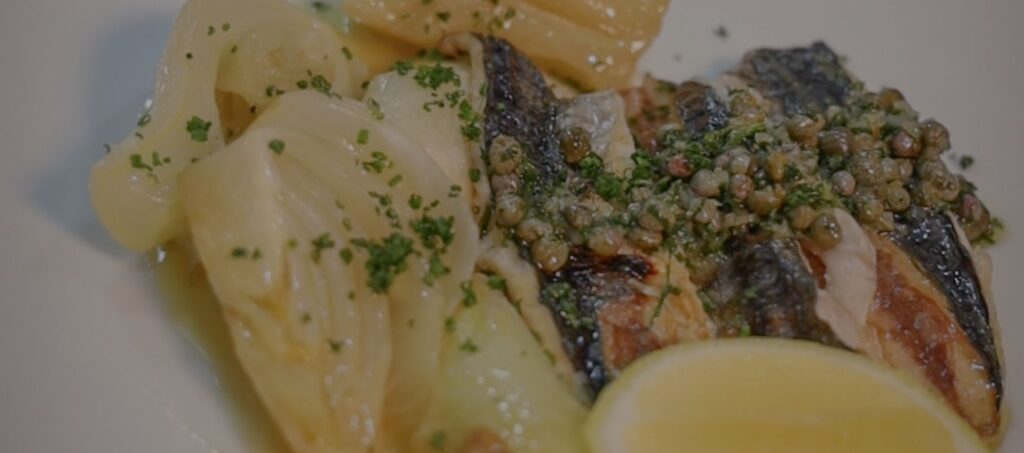
If your goal is to eat cleaner or lose weight, nutritionists almost always point to the Mediterranean diet, specifically its focus on fresh, sustainable fish. These five Mediterranean varieties provide high-quality lean protein and a natural source of omega-3 fatty acids, making them ideal for weight loss, sustained energy, and long-term wellness. How does lean protein fuel weight loss? Incorporating sustainable Mediterranean fish into a balanced diet provides a physiological advantage for metabolic function. Maintaining lean muscle mass supports a healthy resting metabolic rate because muscle tissue is more metabolically active than fat and needs protein to grow and repair. Furthermore, lean protein meals help enhance satiety, which makes it much easier to avoid cravings and mindless snacking on low-nutrient foods. Fish species such as bullet tuna, silver scabbardfish, little tunny, horse mackerel, and greater amberjack also deliver high protein without the hidden calories or unhealthy fats found in processed meats. Beyond protein, these fish are also rich in Vitamin D, Vitamin B12 and Selenium. These micronutrients are essential for a strong immune system and healthy bone density, ensuring your body stays strong as you lose weight. Tips for seamlessly adding these lean protein fish into your diet Replace red meat with fish twice a week: This simple switch significantly reduces your saturated fat intake while keeping your calorie count low. Stick to baking or grilling: Avoid deep frying, which adds unnecessary fats and cancels out many of the lean benefits. Meal prepping is the secret to consistency: Cook an extra portion of fish to add to your salad for lunch the next day. Pair your fish with colourful, fibre-rich sides: This helps you get a wider variety of nutrients. Add vegetables rich in fibre or whole grains: Options like spinach and broccoli, or whole grains such as quinoa and brown rice, pair perfectly with lean fish, adding bulk to your meal and supporting healthy digestion. Start cooking sustainable fish today Incorporating these sustainable Mediterranean fish into your meals is easier than you think. By swapping red meat for fish, pairing it with fibre-rich sides, and keeping preparation simple, you can enjoy a diet that supports weight loss, boosts energy, and nourishes your body. Ready to get cooking? Explore our Mediterranean fish recipes for tasty, easy-to-prepare, and sustainable meal ideas that make healthy eating delicious.
The Powerful Impact of Sustainable Omega-3 Rich Fish in Child Development.

Omega-3 long-chain polyunsaturated fatty acids (n-3 LCPUFA), especially docosahexaenoic acid (DHA), are crucial building blocks for the developing brain. Incorporating sustainable, omega-3-rich fish into your children’s meals is essential for supplying the essential fats your child needs, whilst also making an environmentally responsible choice. Therefore, the daily choice of what to put on your child’s plate holds more power than you may think. Sustainable Omega-3 Rich Fish For Brain Development and Visual Health Sustainable Mediterranean fish are an effective source of nutrition, rich in n-3 LCPUFA like DHA, which is essential for optimal brain function. Its Role in Early Brain Development DHA and arachidonic acid (AA) are the major LCPUFAs that are rapidly built into the nervous tissue of the retina and brain during the major growth spurt, which lasts up to 2 years of age. Even after this rapid growth, omega-3 fatty acids continue to affect brain function by altering how nerve cells work, helping maintain normal brain function. Its Role in Visual Development Omega-3 LCPUFA also play a crucial role in visual development. DHA, a key omega-3 fatty acid, is rapidly incorporated into the nervous tissue of the retina during the early developmental phase. This incorporation is why DHA is a major LCPUFA in the brain. For infants, higher doses of n-3 LCPUFA have been shown to improve visual sharpness potentially. How Omega-3 Supports Cognitive Function in Specific Groups While studies on routine these supplements for healthy children have yielded mixed results, selecting sustainably sourced fish that are naturally high in omega-3 is a sound nutritional strategy for your little ones. In children with developmental issues, like Attention-Deficit or Hyperactivity Disorder (ADHD), a mix of n-3 and n-6 fatty acids has been shown to improve self-reported ADHD symptoms, suggesting that dietary fatty acids, including omega-3, positively contribute towards cognitive functioning. Similarly, children with very low natural intakes of DHA and EPA, such as those with Phenylketonuria (PKU), showed improved nervous system processing after omega-3 supplementation. Choosing Sustainable Sources Fish naturally contain proteins, vitamins, and minerals. However, larger, overfished species can accumulate harmful chemicals, which can negatively impact a child’s health. Children need a minimum daily intake of EPA and DHA of around 100-250 mg, depending on age, as their bodies’ ability to produce these omega-3s is minimal. By choosing underfished, sustainably caught, omega-3-rich fish, parents can help meet these recommendations while reducing the risk of higher contaminant exposure. Sustainable Mediterranean fish species like the Silver Scabbardfish, Greater Amberjack, Horse Mackerel, Bullet Tuna and Little Tunny are excellent sources of omega-3 fatty acids, making them the perfect ingredient for your child’s development. Furthermore, by choosing sustainable sources of omega-3, you help to ensure the long-term availability of these nutrient-rich fish for future generations. Educating Your Child Today for a Better Tomorrow Teaching your children about choosing sustainable fish species helps them understand the fundamental values of environmental issues while investing directly in their health and development. By incorporating sustainable, omega-3-rich seafood into your child’s diet, you are helping secure a healthier future for both your child and our planet.
4 Powerful Ways How Sustainable Mediterranean Fish Can Boost Your Menu
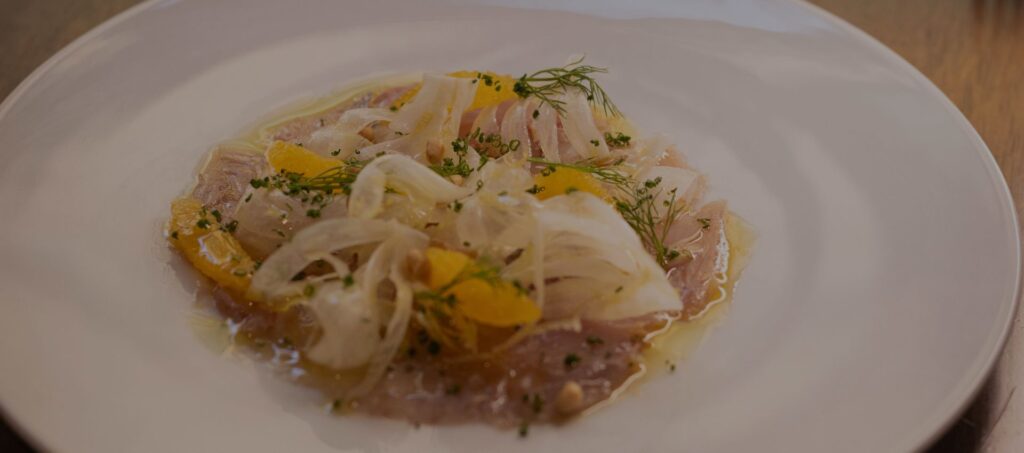
The Mediterranean is renowned for its rich food culture, yet ironically, our menus often rely on the same handful of species. There is a wide variety of sustainable Mediterranean fish which offer a world of flavour, yet very few people know about. Fish species like Seabass, Tuna and Swordfish dominate restaurant menus, whilst dozens of equally delicious and abundant species remain overlooked. At a time when younger generations and informed individuals are more concerned about environmental issues, restaurants need to innovate sustainably to stay competitive. These underutilised Mediterranean fish offer exciting and impactful opportunities for innovation and success. 1. Mediterranean Fish Can Give Your Menu a Sustainable Shift Sustainability has become a pillar in modern gastronomy where restauranters are more aware, regulators are tightening standards, and the hospitality sector is under pressure. Research on eco-gastronomy reveals that consumers are leaning towards restaurants that demonstrate genuine environmental responsibility, with seafood at the heart of the conversation. By continuing to serve only a few popular species, restaurants are unintentionally causing ecological imbalance. Overfishing pressures fish stocks and disrupts marine food webs, putting long-term supply at risk. Meanwhile, abundant fish species such as the Atlantic Horse Mackerel remain overlooked. The inclusion of these sustainable Mediterranean fish on restaurant menus not only reduces the strain on stocks that are at risk but also supports a healthier marine ecosystem by diversifying demand. 2. Sustainable Mediterranean Fish Diversify Your Menu Underutilised Mediterranean fish offer distinctive flavours, textures and stories that can make a menu stand out beyond what other restaurants are offering. These fish have strong connections to Mediterranean fishing traditions however, they have been overshadowed by the commercial rise of a few ‘hero’ fish. By reviving these recipes, restaurants can reconnect with authentic maritime heritage, something increasingly valued in the world of gastronomic tourism. 3. Mediterranean Fish Stabilise Your Menu and Budget Beyond sustainability benefits, underutilised Mediterranean fish are good business. This is due to their prices often being more stable, less volatile, and significantly more affordable than other overfished favourites. This provides restaurants with predictable margins and protects them from sudden market fluctuations. Chefs interviewed in studies on sustainability consistently expressed frustration with a spike in seafood prices, yet many remain hesitant to deviate from consumer expectations. The irony is that studies show diners appreciate a dish crafted with confidence and storytelling, with famous culinary movements showcasing the influential role chefs play in shaping consumer habits. 4. Adding Sustainable Mediterranean Fish To Your Menu Contributes Towards The Greater Good Every decision is a form of advocacy. When restaurants purchase underutilised Mediterranean fish species, they reduce carbon footprint, support artisanal fishers, and promote responsible consumption. This shift does not require fundamental changes, it simply requires the willingness to innovate and act sustainably. The Mediterranean Sea is considered one of the world’s richest seas, where culinary excellence and sustainability should work in harmony. To help the future of the Mediterranean, we must stop leaning towards the familiar and rediscover undervalued Mediterranean fish species.
Sustainable fish can deliver the health boost and new flavours you didn’t know you needed
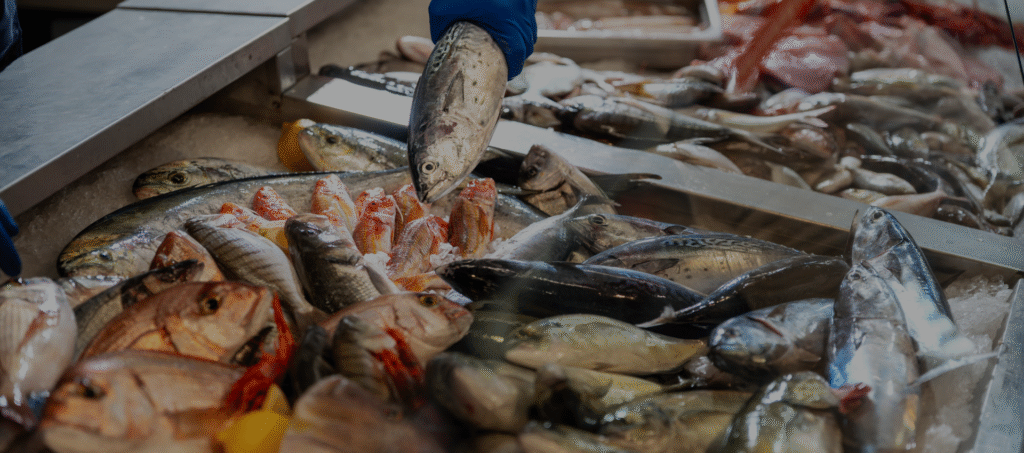
If you thought your current palate of fish was enough, wait until you discover these sustainable fish. By trying out these underutilised fish, you can unlock exciting new flavours and enrich your health, while actively protecting our seas. What health benefits does sustainable fish have to offer? These sustainable fish provide a balanced diet rich in essential nutrients, including omega-3 fatty acids, protein, vitamins D and B12, and minerals such as zinc, iodine, and iron. For instance, the Greater Amberjack provides a sufficient amount of protein, along with healthy Omega-3 fats and significant levels of vitamin D and vitamin B12. Smaller tuna species, such as Little Tunny and Bullet Tuna, are exceptionally high in selenium and protein, providing antioxidant power and supporting immune health. Moreover, the often-overlooked Horse Mackerel stands out for its impressive levels of calcium and iron. Even extremely lean options, such as the Silver Scabbardfish, provide a sufficient amount of protein and surprisingly delicate flavours. By selecting these sustainably fished species, you’re not only enriching your diet with a delightful variety of vitamins and minerals but also enjoying unique flavours rarely found in common protein sources! In addition to this, you’ll also be doing your part in helping protect our marine biodiversity. How sustainable fishing can save our marine biodiversity Sustainable fishing shifts consumer demand from overfished species, such as popular tuna, cod, or salmon varieties, towards more abundant, underutilised fish, creating a powerful biological and economic domino effect. Biologically, reducing fishing pressure on depleted stocks allows them the vital time they need to reproduce, rebuild populations, and restore the natural balance of marine ecosystems. By diversifying demand benefits, fishermen can mitigate revenue fluctuations that occur from relying on a single species. By catching and selling a broader variety of fish, the resilience of coastal communities like Malta is stabilised and strengthened. Furthermore, sustainable fishing helps minimise the impact on endangered, threatened, and protected species. Every species plays a unique role within the marine food web. However, the loss of a single species caused by overfishing or excessive bycatch can destabilise the entire aquatic ecosystem. Be part of the change and support sustainable fishing Our seas are under pressure more than ever, with the United Nations reporting that one-third of global fish populations are overfished and another 60% are being fished to their biological limit. Sustainable fishing safeguards marine biodiversity and strengthens global food security. Supporting sustainable fishing means enhancing your palate with food that you can feel good about eating. Make the switch today and explore our list of sustainable fish species so you can benefit from their nutrients and unique flavours.
How choosing sustainably-caught fish can save our seas

The Mediterranean’s marine ecosystem is under pressure, but your plate can help. By opting for sustainably-caught fish, like Bullet Tuna and Little Tunny, overstressed stocks are relieved, with fishermen also benefitting. Additionally, it also helps protect our marine biodiversity whilst exploring a variety of undiscovered flavours. What are sustainably-caught fish? Sustainably-caught fish refers to fish that have been caught with consideration for both the long-term future of a particular species and the overall health of marine biodiversity. In short, it refers to fish that are beneficial to both you and the planet. Sustainable fishing can help reverse the impacts of unsustainable practices and ensure that sufficient marine life remains in the sea, allowing fishing to continue indefinitely. This practice helps maintain healthy, diverse marine ecosystems and reduces the impact on threatened species. Moreover, the long-term health of fish stocks is essential for securing a source of nutrient-rich seafood to meet the ever-growing demand. How sustainably-caught fish are the solution for unsustainable fishing practices like overfishing: Overfishing is the term used when an excessive number of fish in a particular stock are caught, and reproduction cannot keep up, making it difficult to maintain a healthy population. This unsustainable fishing practice, among others, is putting our seas at risk and causing permanent damage to our waters. Evidently, more than a third of global fisheries have been fished beyond the limits supported by our marine biodiversity, while global demand for seafood continues to grow. Furthermore, overfishing not only harms the environment but also directly affects us. Fishermen and communities are impacted as stocks of various fish species continue to decline, making traditional fishing methods economically unsustainable. By purchasing sustainably-caught fish, demand is shifted from overfished favourites to responsible alternatives that allow stressed stocks to recover, support the unique heritage of fishermen, and make our marine biodiversity healthier. Why opting for sustainably-caught fish is the way to go: The simple decision of which fish to purchase has more power than we think. It determines which fish species are caught, ultimately affecting the balance of fish populations in our waters. Worldwide demand for fish is skyrocketing—far beyond what our seas can sustain—putting them under unprecedented pressure and creating an urgent need to act. When you opt for sustainably-caught fish, you help reduce damage to vulnerable species and restore balance in our seas. So act now and choose sustainably-caught fish to protect our marine biodiversity and ensure a thriving ecosystem for future generations. Where we come in This project aims to raise awareness and motivate the general public to consumeunderutilised and abundant fish species. By shifting demand away from overfished speciesand toward sustainably-caught fish alternatives, this project supports marine conservation,food security, and the economic sustainability of fisheries.
