
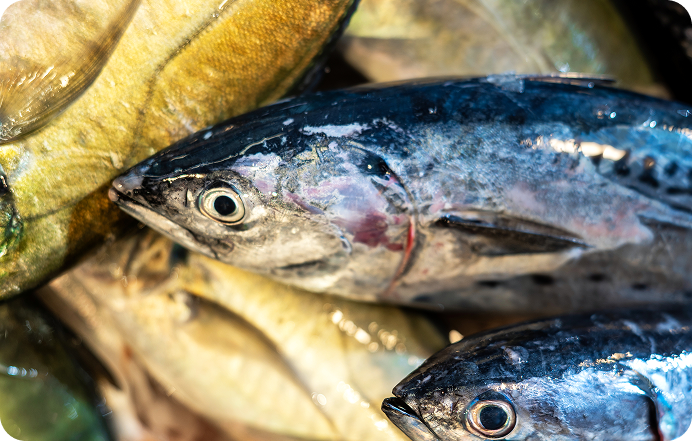
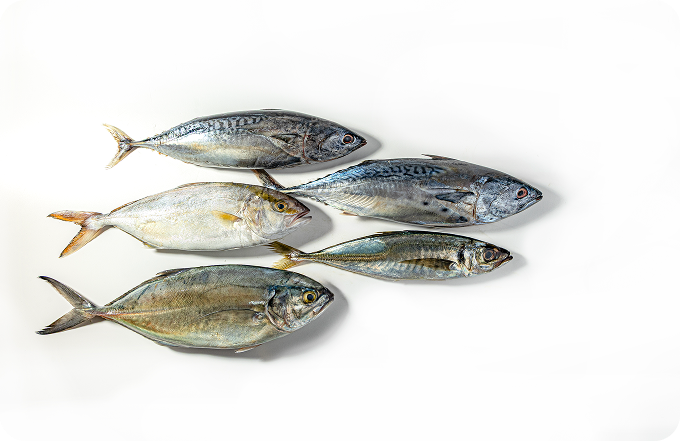
The Little Tunny (Euthynnus alletteratus), also known locally as Kubrit, is a streamlined and powerful tuna species typically found in the Mediterranean, with an average length of 85 cm. It is identifiable by its dark, worm-like stripes on its back and a metallic sheen.
A highly migratory and carnivorous species, it roams both inshore and offshore waters, feeding on small fish, crustaceans, and squid.
Little Tunny is commonly available in our waters during the summer months. Its spawning season, which takes place from May to September, suggests that the fish likely move closer to coastal areas during this period, making them more accessible to fishermen.
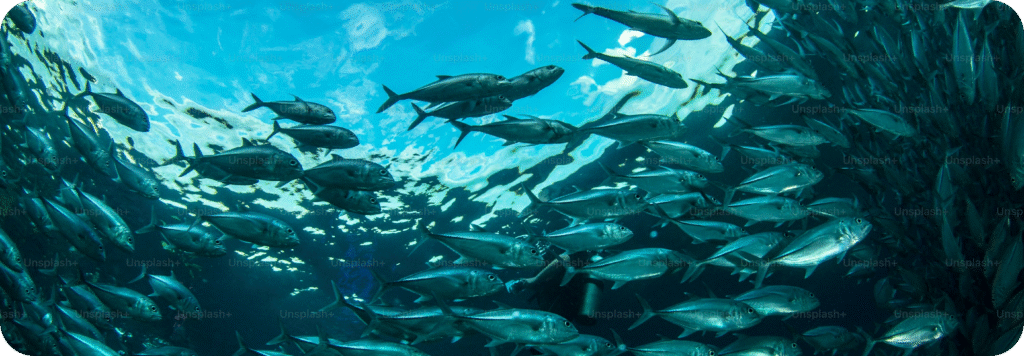
In Malta, the main fishing methods used to catch Little Tunny include jigs, gill nets, trolling lines, drifting longlines, and trammel nets. It is also a popular target for sport and recreational fishermen who use trolling and jigging methods.
The Little Tunny has firm, meaty flesh with a relatively oily texture and a stronger flavour compared to milder fish. While not as highly prized as Bluefin Tuna, it is a versatile and popular choice in local markets, especially when fresh.
Quick cooking is recommended due to its firm texture and oil content; avoid overcooking to prevent it from drying out. This fish is often used fresh, particularly when caught recreationally.
As a medium-to-large pelagic fish, Little Tunny may accumulate mercury and other contaminants. Smaller and younger fish are likely to have lower levels. For frequent consumption, it’s important to follow local health guidelines.
Globally, the Little Tunny is listed as a species of “Least Concern” by the IUCN, meaning it is not currently considered heavily endangered. However, local pressures from overfishing and certain gear types can affect populations. Because it is caught using a variety of nets and lines that may have bycatch or habitat impacts, sustainable fishery practices and moderate consumption are recommended.
Ready to add Little Tunny to your meals? Get inspired with our delicious recipes.

Known for its rich, meaty flavour, the Little Tunny is a powerful and delicious catch. Abundant in our waters, this species.
A small but mighty oily fish, the Horse Mackerel is a summer favourite bursting with flavour and omega-3s.
A true titan of our seas, the Greater Amberjack is a firm-fleshed, meaty fish that offers a fantastic culinary experience.
This often-overlooked fish is a versatile, meaty, and affordable alternative to larger tuna.
This often-overlooked fish is a versatile, meaty, and affordable alternative to larger tuna.

EXPLORE VARIETY, EAT SUSTAINABLE FISH©2026