
Omega-3 long-chain polyunsaturated fatty acids (n-3 LCPUFA), especially docosahexaenoic acid (DHA), are crucial building blocks for the developing brain. Incorporating sustainable, omega-3-rich fish into your children’s meals is essential for supplying the essential fats your child needs, whilst also making an environmentally responsible choice. Therefore, the daily choice of what to put on your child’s plate holds more power than you may think.
Sustainable Omega-3 Rich Fish For Brain Development and Visual Health
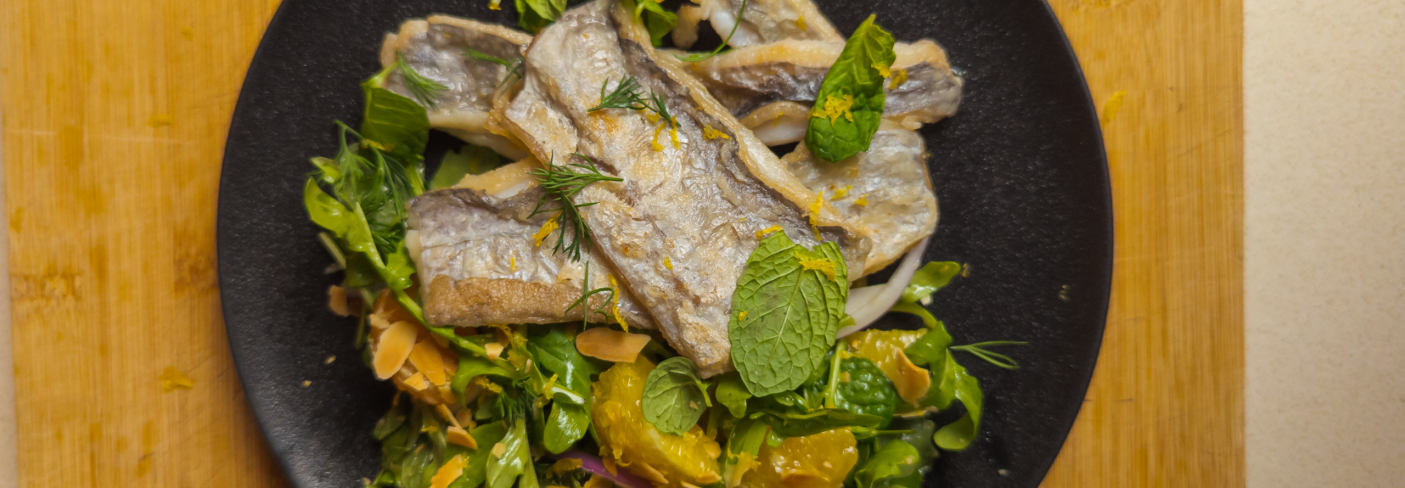
Sustainable Mediterranean fish are an effective source of nutrition, rich in n-3 LCPUFA like DHA, which is essential for optimal brain function.
Its Role in Early Brain Development
DHA and arachidonic acid (AA) are the major LCPUFAs that are rapidly built into the nervous tissue of the retina and brain during the major growth spurt, which lasts up to 2 years of age. Even after this rapid growth, omega-3 fatty acids continue to affect brain function by altering how nerve cells work, helping maintain normal brain function.
Its Role in Visual Development
Omega-3 LCPUFA also play a crucial role in visual development. DHA, a key omega-3 fatty acid, is rapidly incorporated into the nervous tissue of the retina during the early developmental phase. This incorporation is why DHA is a major LCPUFA in the brain. For infants, higher doses of n-3 LCPUFA have been shown to improve visual sharpness potentially.
How Omega-3 Supports Cognitive Function in Specific Groups
While studies on routine these supplements for healthy children have yielded mixed results, selecting sustainably sourced fish that are naturally high in omega-3 is a sound nutritional strategy for your little ones. In children with developmental issues, like Attention-Deficit or Hyperactivity Disorder (ADHD), a mix of n-3 and n-6 fatty acids has been shown to improve self-reported ADHD symptoms, suggesting that dietary fatty acids, including omega-3, positively contribute towards cognitive functioning. Similarly, children with very low natural intakes of DHA and EPA, such as those with Phenylketonuria (PKU), showed improved nervous system processing after omega-3 supplementation.
Choosing Sustainable Sources
Fish naturally contain proteins, vitamins, and minerals. However, larger, overfished species can accumulate harmful chemicals, which can negatively impact a child’s health. Children need a minimum daily intake of EPA and DHA of around 100-250 mg, depending on age, as their bodies’ ability to produce these omega-3s is minimal. By choosing underfished, sustainably caught, omega-3-rich fish, parents can help meet these recommendations while reducing the risk of higher contaminant exposure.
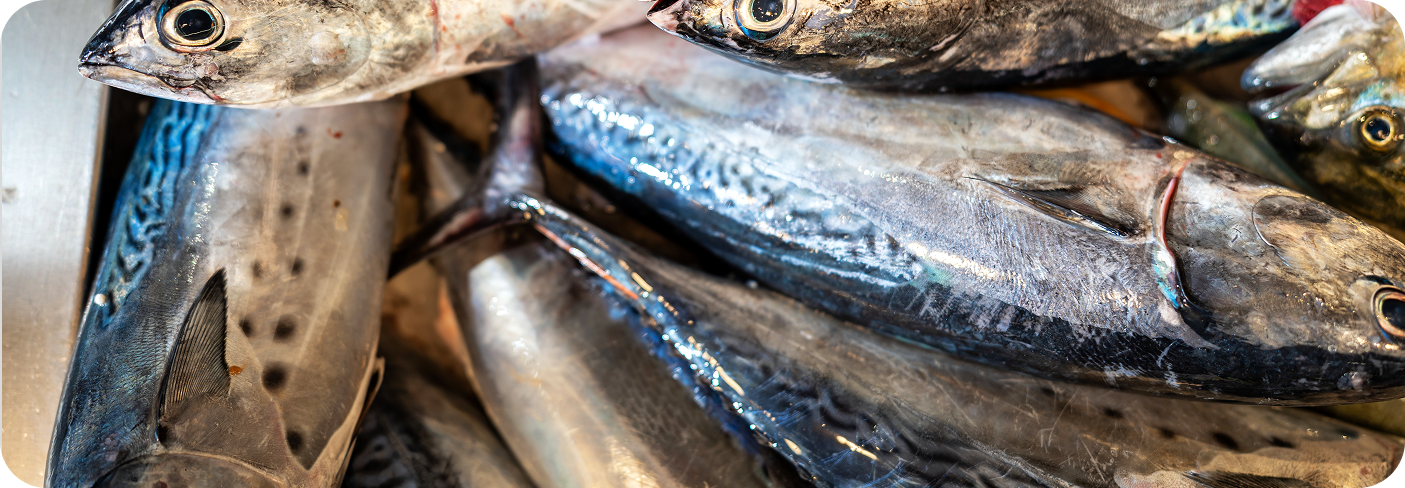
Sustainable Mediterranean fish species like the Silver Scabbardfish, Greater Amberjack, Horse Mackerel, Bullet Tuna and Little Tunny are excellent sources of omega-3 fatty acids, making them the perfect ingredient for your child’s development. Furthermore, by choosing sustainable sources of omega-3, you help to ensure the long-term availability of these nutrient-rich fish for future generations.
Educating Your Child Today for a Better Tomorrow
Teaching your children about choosing sustainable fish species helps them understand the fundamental values of environmental issues while investing directly in their health and development. By incorporating sustainable, omega-3-rich seafood into your child’s diet, you are helping secure a healthier future for both your child and our planet.
