
The quality of your dinner depends on two key factors: the choices you make at the market and how you handle your food once you get home. By understanding the fundamentals of fish preservation and learning how to identify fresh fish, you can ensure that every meal is flavourful, safe, and retains its natural nutritional value.
Fish preservation and selection
Fish preservation and selection are crucial first steps before deciding how to prepare your seafood. Purchasing sustainable fish species, such as the scabbardfish and the greater amberjack, significantly increases the likelihood of freshness. When fish is sourced locally, the time between the actual catch to serving it is reduced, thus helping to preserve its quality, texture, and nutrients.
How to spot the freshest fish
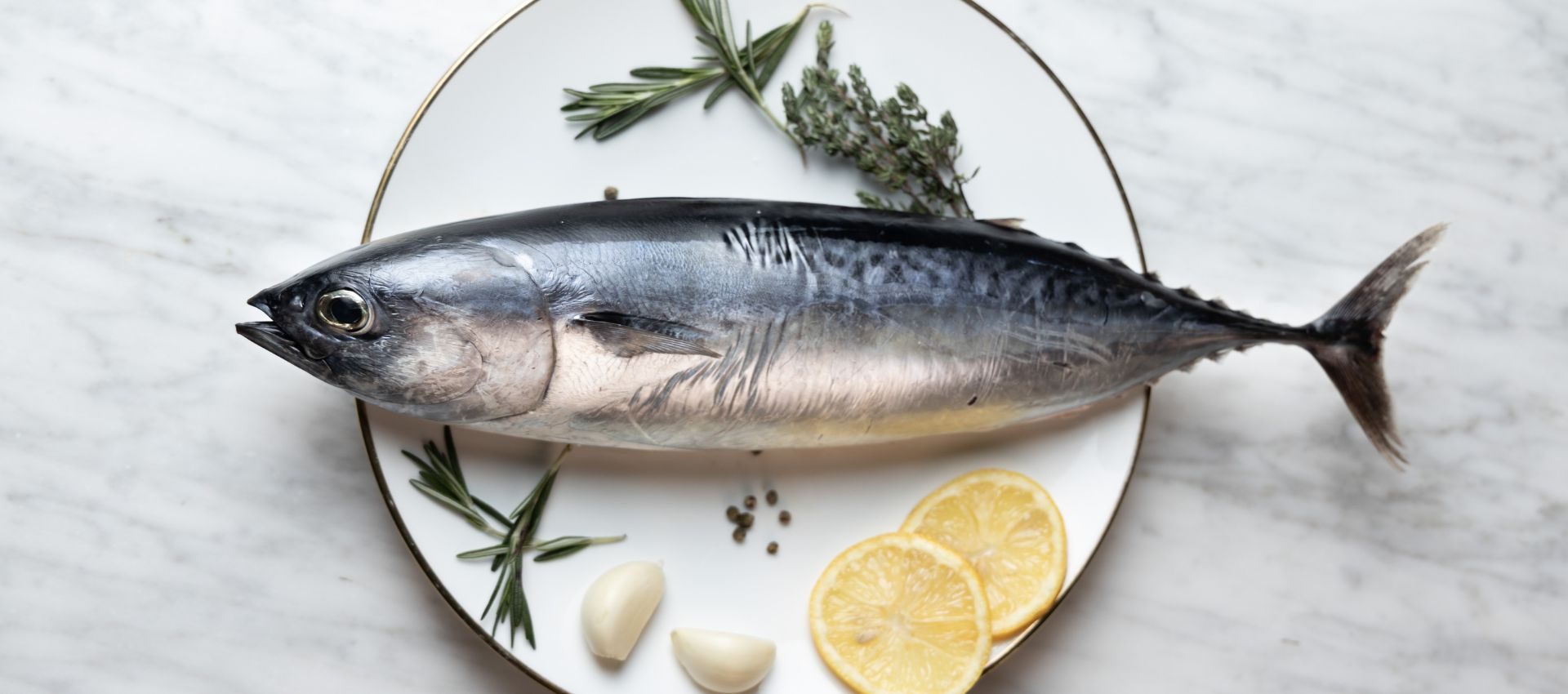
To the untrained eye, most fish may appear similar. However, each species has distinct biological characteristics that indicate freshness. When purchasing fish, look out for the following signs:
- The eyes: Fresh fish should have clear, bright, and full eyes. Hazy or sunken eyes are often a sign of age.
- The gills: Look for gills that are bright red or crimson in colour and free from slime.
- The flesh: The flesh should be firm and elastic, springing back when pressed, and should not easily separate from the bone.
- The scent: Fresh fish should have a mild, clean scent reminiscent of seawater, not a strong or unpleasant “fishy” odour.
Once you have selected a high-quality catch, immediate and proper fish preservation becomes essential to protect its rich protein, vitamin, and mineral content.
Further selection techniques
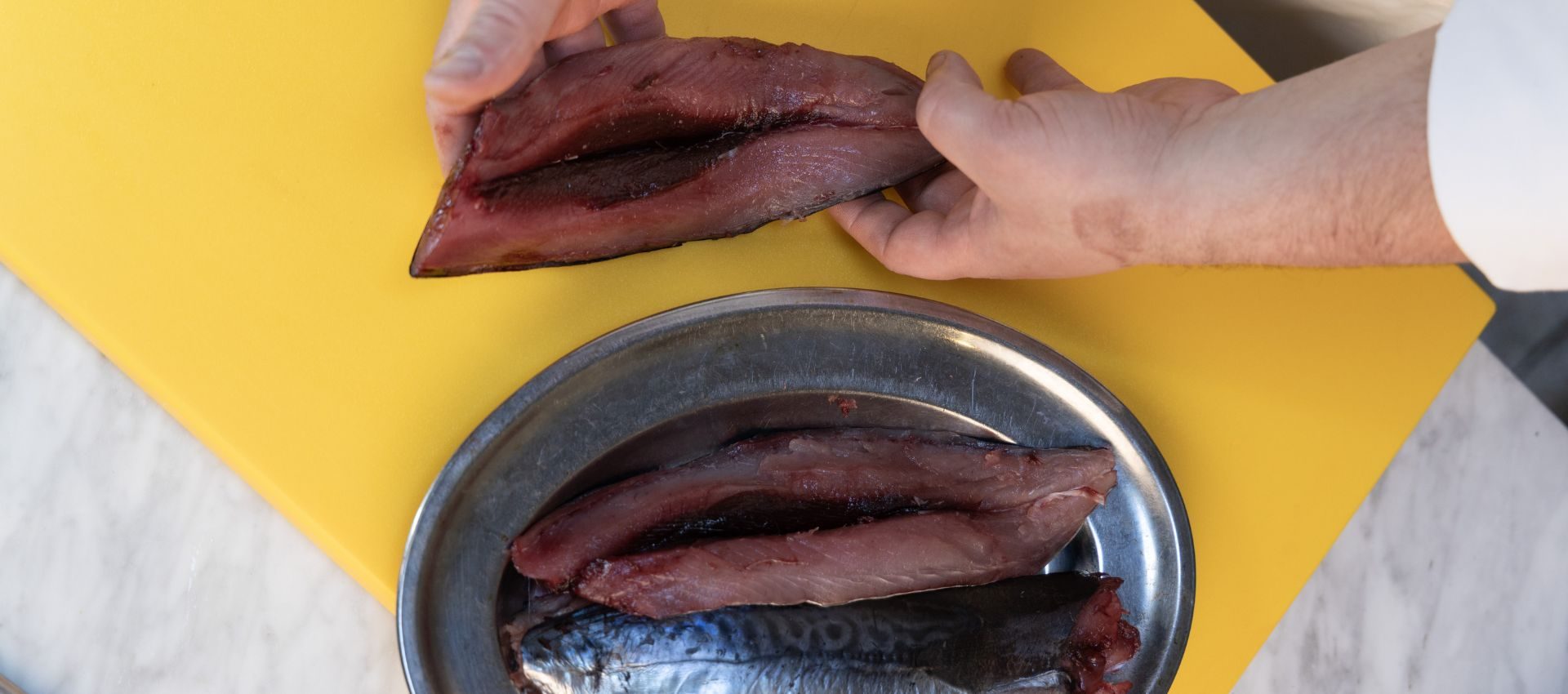
Selecting the right fish goes beyond basic visual inspection. Understanding how the fish has been handled and stored plays a vital role in maintaining peak quality. Whenever possible, choose whole fish rather than fillets, as whole fish provide additional freshness indicators, such as the eyes and gills.
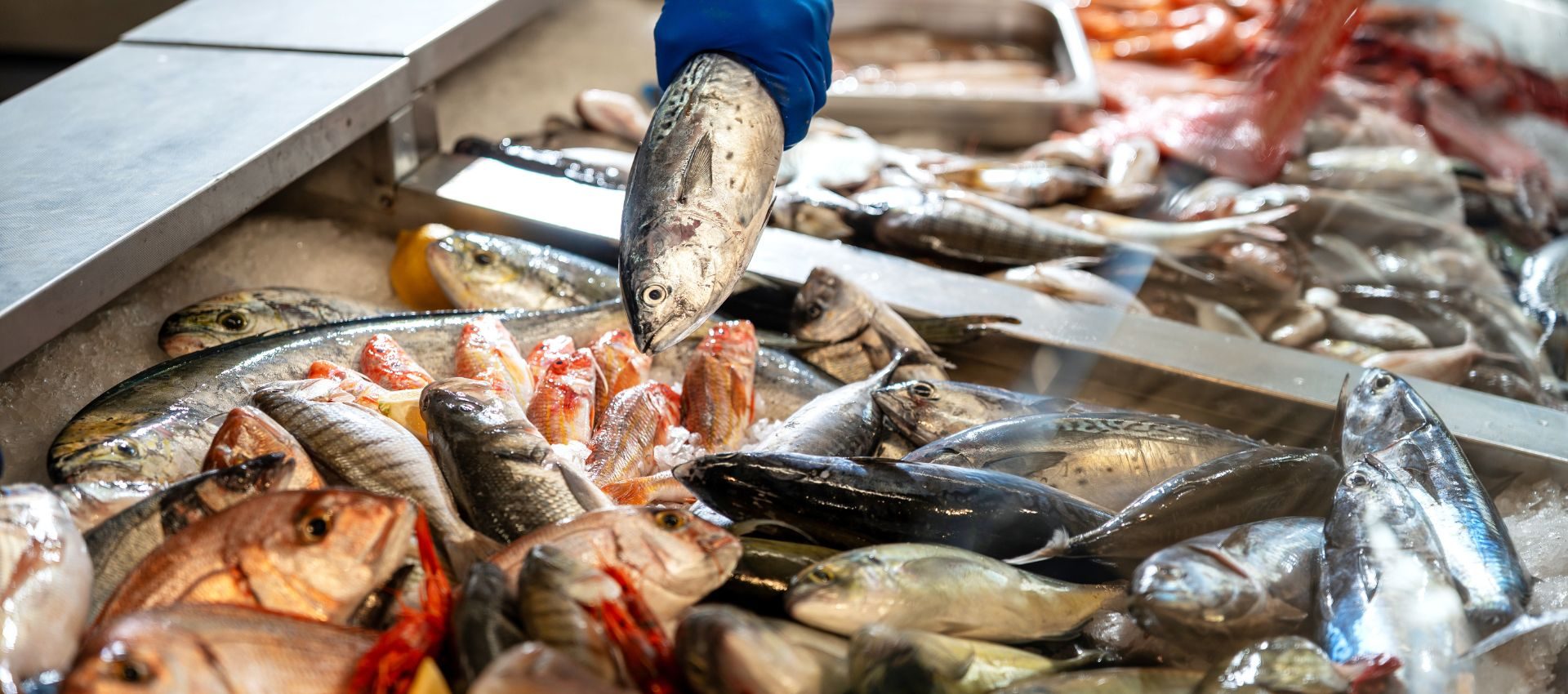
If purchasing fillets, check that the flesh appears translucent, moist, and glossy rather than dull, opaque, or sticky. Another important factor is how the fish is displayed: high-quality seafood is typically laid on a thick bed of ice rather than sitting in pooled water. Proper ice management is a critical aspect of fish preservation, as excess moisture accelerates bacterial growth and compromises food safety.
Fish preservation and temperature control
Fish is highly perishable due to rapid bacterial growth and the action of natural enzymes that begin shortly after the fish is caught. Maintaining low temperatures is therefore essential for effective fish preservation. Chilling fish close to 0 °C can significantly slow spoilage, reducing quality loss to less than 5% compared to storage at room temperature.
When defrosting frozen fish, it is strongly recommended to do so in the refrigerator overnight. Thawing at room temperature can negatively affect both texture and food safety. For home freezing, most lean fish should be consumed within six months. Fatty fish, such as the little tunny which contains higher levels of healthy oils, should ideally be used within three months to prevent oxidation and to preserve its flavour.
Fish preservation at home
Proper fish preservation does not end at the market. Once home, store fresh fish in a sealed container or leak-proof bag and place it on a bed of ice in the coldest part of your refrigerator. This helps maintain a consistently low temperature and limits bacterial growth.
When it comes to frozen fish, “previously frozen” labels should not be a concern. Fish that is flash-frozen at sea often retains more nutrients and freshness than fish that has spent several days in transit. However, always check frozen packaging for excessive ice crystals or freezer burn, as these are signs of thawing and refreezing, which damage the fish’s cellular structure and reduce both flavour and quality.
Why proper fish preservation matters
Understanding the principles of fish selection and fish preservation allows you to maximise both flavour and nutritional value. Correct handling helps protect essential nutrients such as omega-3 fatty acids, vitamin A, and iron, while also ensuring food safety.
Ultimately, proper fish preservation and handling are key to preparing meals that are not only delicious, but also healthy, sustainable, and of the highest quality.
