
Malta’s waters offer a variety of local fish that can bring more than new flavours to the table. As part of a balanced diet, fish provides protein that helps the body maintain and repair tissues, including those that rely on collagen. This important protein has become a popular topic in conversations about healthy skin, ageing and overall wellbeing, but its role goes far beyond appearance.
While collagen supplements often get the spotlight, our everyday food choices matter too. By exploring the nutritional value of local fish and including a wider variety of foods in our meals, we can support our bodies while discovering more of what Malta’s seas have to offer.
What Is Collagen and Why Does It Matter?
Collagen is the most abundant protein in the human body and an essential component of the tissues that give us structure and support. It is found in the skin, bones, tendons, ligaments, cartilage and other connective tissues, helping them maintain their strength, firmness and flexibility.
Our bodies continuously produce and break down collagen as part of their natural processes. However, production gradually declines with age. And according to Cleveland Clinic’s guide to collagen , factors such as excessive sun exposure and smoking can also contribute to its breakdown, particularly in the skin. This is one reason why changes in skin texture and firmness can become more noticeable over time.
Although it is often discussed in connection with skincare and ageing, it is about much more than appearance. It is an important part of the structures that support movement, protect tissues and help the body maintain its normal function. Understanding its role also helps put the growing interest in collagen supplements into perspective: rather than being a simple beauty solution, it is a protein with several important functions throughout the body.

How Can Your Diet Support Collagen Production?
Our bodies make collagen using amino acids, which are obtained by breaking down proteins from the foods we eat. Certain nutrients are also essential to this process. Vitamin C, for example, is required for collagen biosynthesis, making fruit and vegetables such as citrus fruits, strawberries, peppers and broccoli valuable parts of a balanced diet.
Protein-rich foods, including fish, eggs, dairy products and legumes, provide amino acids that the body can use to produce this structural protein. However, eating collagen itself does not mean it will pass directly into the skin or joints. During digestion, it is broken down into smaller components that the body uses where needed. Harvard’s Nutrition Source guide to collagen provides a useful overview of the relationship between diet, natural collagen production and supplements.
Discover the Nutritional Value of Local Fish
Living on an island means that fish has long been part of Malta’s food culture. From traditional recipes to freshly caught fish bought at the local market, seafood offers plenty of opportunities to enjoy varied, protein-rich meals.
Through the Explore Fish Variety initiative, five locally caught species are being given more attention: Horse Mackarel, greater amberjack, alongside bullet tuna, little tunny and silver scabbardfish. These fish are often overlooked in favour of more familiar choices, yet each offers its own flavour and culinary possibilities.
Fish provides protein that contributes amino acids the body needs to produce collagen. However, the specific collagen content of these five species has not been established here, and their value should not be measured by collagen alone.
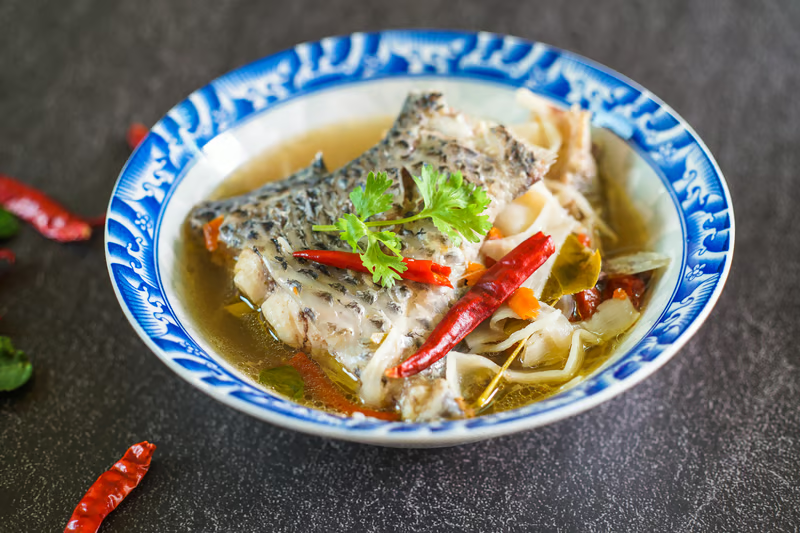
Ways to Bring More Local Fish to Your Table
Discovering unfamiliar species can be easier when you have a recipe to follow. Here are two ideas from our recipe collection to inspire your next meal:
- Coconut Poached Horse Mackerel – a quick and comforting seafood dish where the fish is gently poached in a fragrant sauce.
- Pan-Braised Bullet Tuna in Rich Tomato Sauce – Bullet tuna simmered in a rich tomato sauce with courgettes, olives, capers and fresh mint, bringing Mediterranean flavours together in a comforting dish.
Fish skin and bones can also provide collagen when used in suitable preparations, such as stocks made from fish bones. Making use of different parts of the fish, where appropriate, is another way to get more from the food we buy.
Why Does Choosing a Wider Variety of Fish Matter?
Our food choices can have an impact beyond our own plates. When demand concentrates on a small number of popular fish, other locally caught species may receive less attention despite being suitable for a variety of meals.
Choosing a wider range of locally caught fish can help diversify seafood demand and support Malta’s fishing communities. It also gives us the opportunity to make greater use of the variety available in our waters, rather than relying on the same familiar choices.
Sustainability depends on factors such as the species, its population and how it is caught, so no fish should automatically be considered the best choice in every situation. Asking your fishmonger what is available, where it comes from and how it was caught can help you make more informed decisions.
Exploring less familiar local fish is a simple way to start thinking differently about seafood while supporting a more varied approach to enjoying Malta’s catch.
